
- Carb-load for 1–2 days before the race, and keep fibre and fat low.
- Eat a familiar, carb-heavy breakfast 2–3 hours before the start.
- On the bike, most athletes start around 60–90 g of carbohydrate per hour. Trained guts can often handle more.
- Fluid and sodium are personal. They depend on heat and how salty you sweat, so test them in training.
- Nothing new on race day, and don't drink plain water to excess.
Why fuelling matters
An Ironman is a 3.8 km swim, 180 km bike and 42.2 km run, and for most age-groupers that's somewhere between 10 and 17 hours of moving. Your body can only store enough carbohydrate for a few hours of hard work. Everything after that comes from what you eat and drink on course.
Run out and you "bonk": the pace collapses and the marathon becomes a walk. Get it right and the final 10 km feels like a race instead of survival.
The days before
- Carb-load for 1–2 days. Shift your meals towards rice, pasta, bread, potatoes and sports drinks. Many athletes aim for about 8–10 g of carbohydrate per kg of body weight per day.
- Go easy on fibre and fat so you're not carrying a heavy stomach to the start.
- Hydrate steadily, with some electrolytes, rather than chugging water the night before.
- Eat foods you know. The race-town restaurant is not the place to experiment.
Race morning
Eat 2–3 hours before the start: something familiar, high in carbohydrate and low in fibre. Think white bagel with honey or jam, oatmeal, a banana and a sports drink. Sip fluid with electrolytes, and have a gel 10–15 minutes before the swim if you've practised it.
On the bike
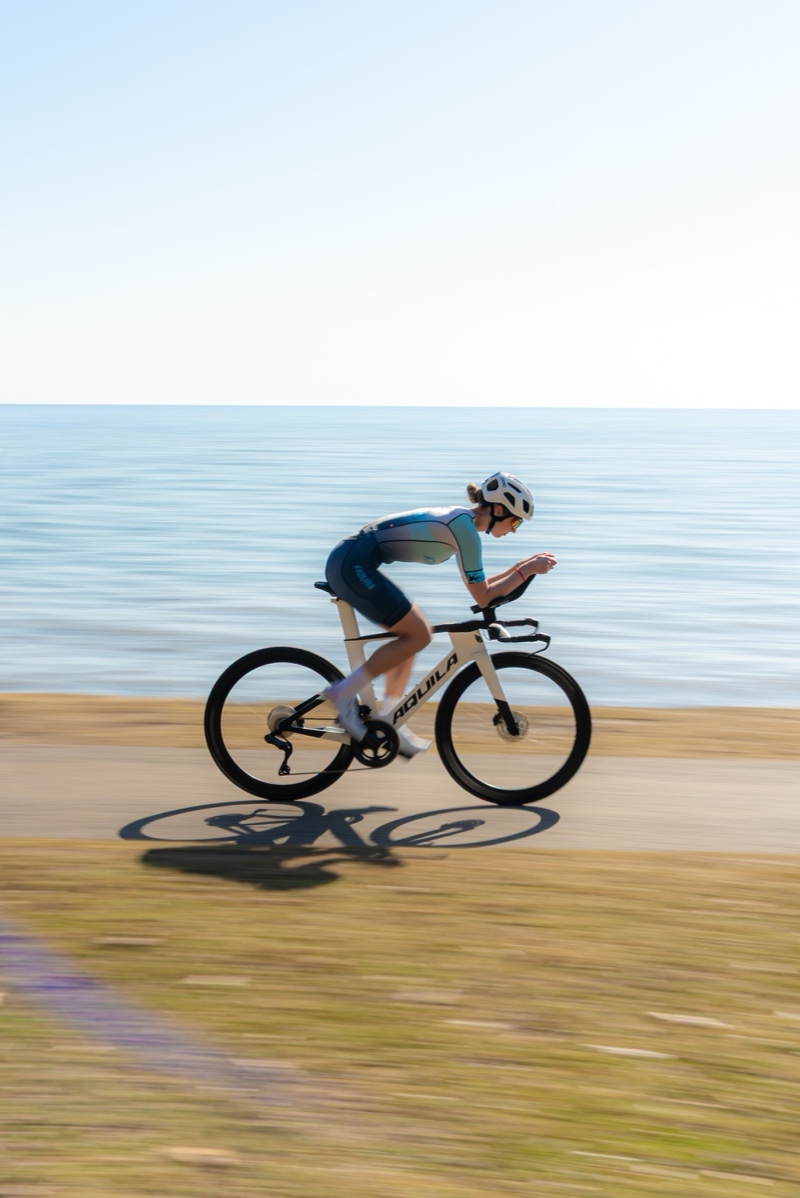
The bike is where most of your race fuelling happens. You're seated, your gut is calmer, and there's a long way to go.
- Carbohydrate: most athletes start around 60–90 g per hour. Highly trained athletes often push past 90–100 g using drinks and gels that combine glucose and fructose, which the gut absorbs better together.
- Fluid: commonly 500–1,000 ml per hour, at the higher end in heat. Drink to the conditions, not a fixed number.
- Sodium: very individual. Salty sweaters need far more than light sweaters, and a sweat test takes out the guesswork.
- Start early. Begin eating in the first 15–20 minutes and set a timer, because it's easy to forget when you feel good.
These ranges are starting points from sports-nutrition practice, not a prescription. Your numbers depend on your size, pace, sweat rate and the weather, so test them in training and talk to your coach or a dietitian about anything medical.
On the run
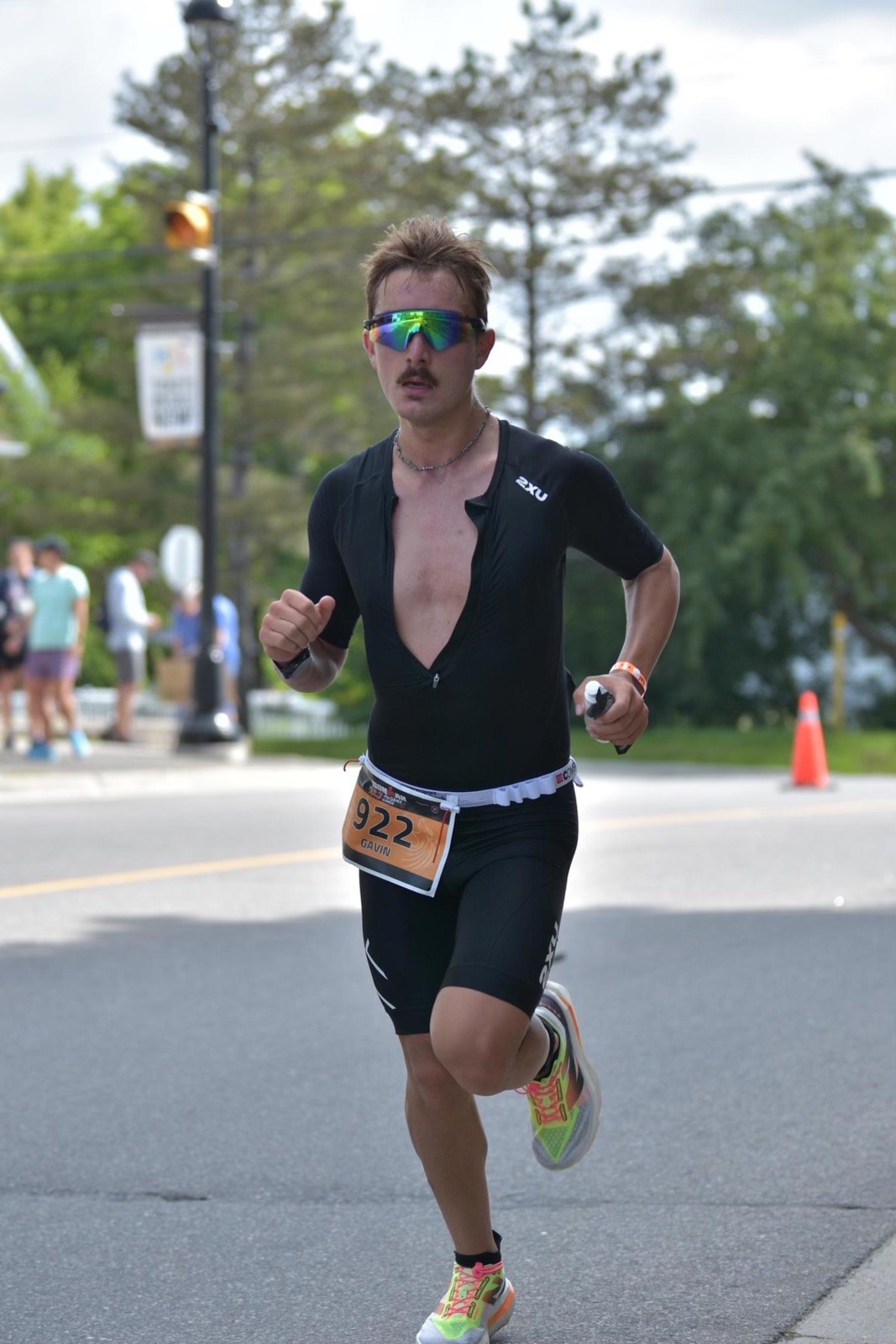
Your gut gets less tolerant once you're running, so shift to smaller, more frequent doses: gels, sports drink and cola at aid stations. Many athletes aim for 40–60+ g of carbohydrate per hour on the run, as much as their stomach allows. Walk the aid stations if it helps you get fuel in. It costs seconds and saves minutes.
A sample hour
Here's what one hour could look like for an athlete targeting about 80 g of carbohydrate per hour:
| Time | What | Carbs |
|---|---|---|
| :00 | Start a 750 ml bottle of sports drink (sip through the hour) | ~45 g |
| :20 | Gel with water | ~25 g |
| :40 | Half a bar or a few chews | ~15 g |
| :60 | Bottle finished, repeat. Add electrolytes if it's hot or you sweat salty. | ~85 g / hour |
Train your gut
Your gut adapts just like your legs do. If you've never taken 80 g of carbs an hour, race day is not the day to start. Build up over your long rides: start around 50–60 g per hour and add 10 g every week or two until you hit your target comfortably.
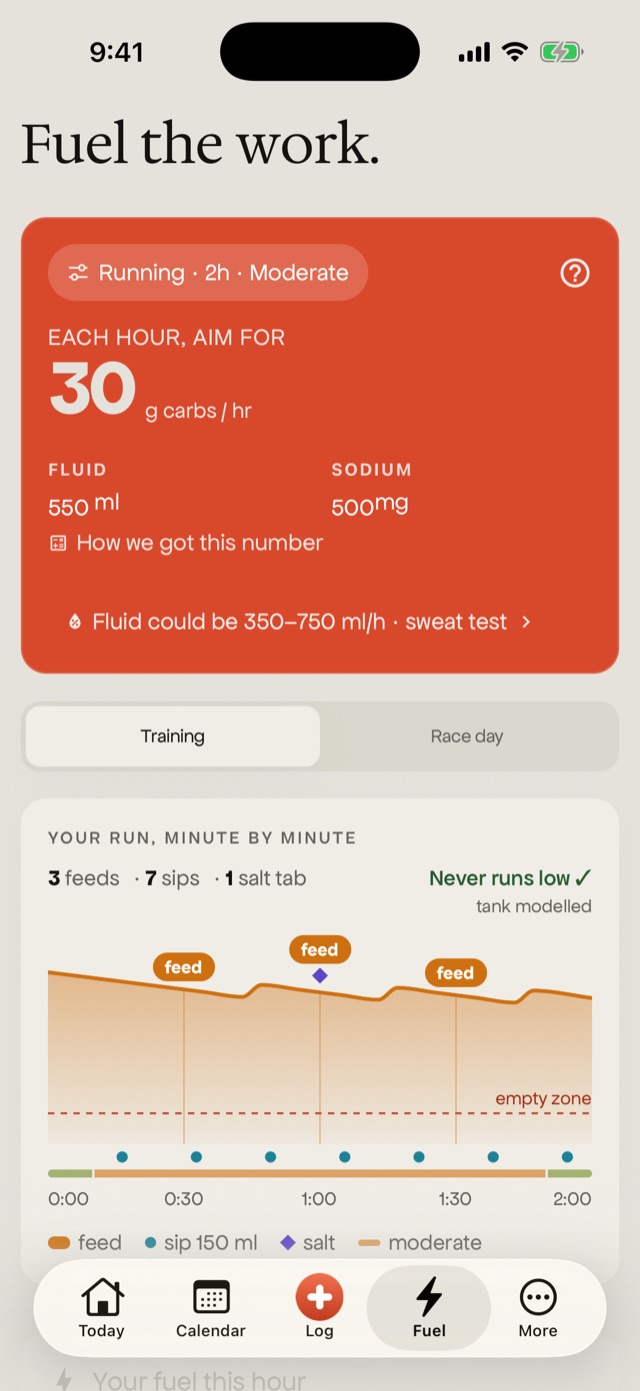
That's exactly what our free COOKED app is for. Paste in your TrainingPeaks calendar link and every session your coach plans comes with what to eat and drink for it, so your fuelling practice is built into your training.
Race-day mistakes
- Trying something new on race day: a new gel, a new drink, a new breakfast.
- Waiting until you're hungry. By then it's too late.
- Drinking lots of plain water without sodium. Over-drinking can dilute your blood sodium, which is dangerous.
- Riding too hard, which shuts down digestion and leaves the run empty.
- Forgetting special-needs bags and relying only on aid stations you've never tested.
Plan it. Fuel it.
Endura Compete includes personalized nutrition and zones, adjusted weekly from your data, and our free COOKED app tells you what to eat for every session.
FAQ
How many grams of carbs per hour for an Ironman?
Most athletes start around 60–90 g of carbohydrate per hour on the bike, and well-trained athletes often tolerate more with glucose and fructose mixes. Practise your target in training first.
How much should I drink per hour in an Ironman?
Commonly 500–1,000 ml per hour on the bike depending on heat and sweat rate, with electrolytes. Avoid drinking large amounts of plain water.
What should I eat the night before an Ironman?
A familiar, carbohydrate-rich dinner that's low in fibre and fat, such as rice or pasta with a simple sauce, as part of 1–2 days of carb loading.
What should I eat on Ironman race morning?
A familiar, high-carbohydrate, low-fibre breakfast 2–3 hours before the start, like a white bagel with honey, oatmeal or a banana, plus a sports drink.
How do I stop stomach problems in an Ironman?
Train your gut by practising race fuelling on long sessions, keep the bike effort controlled, and use only products you've tested in training.