
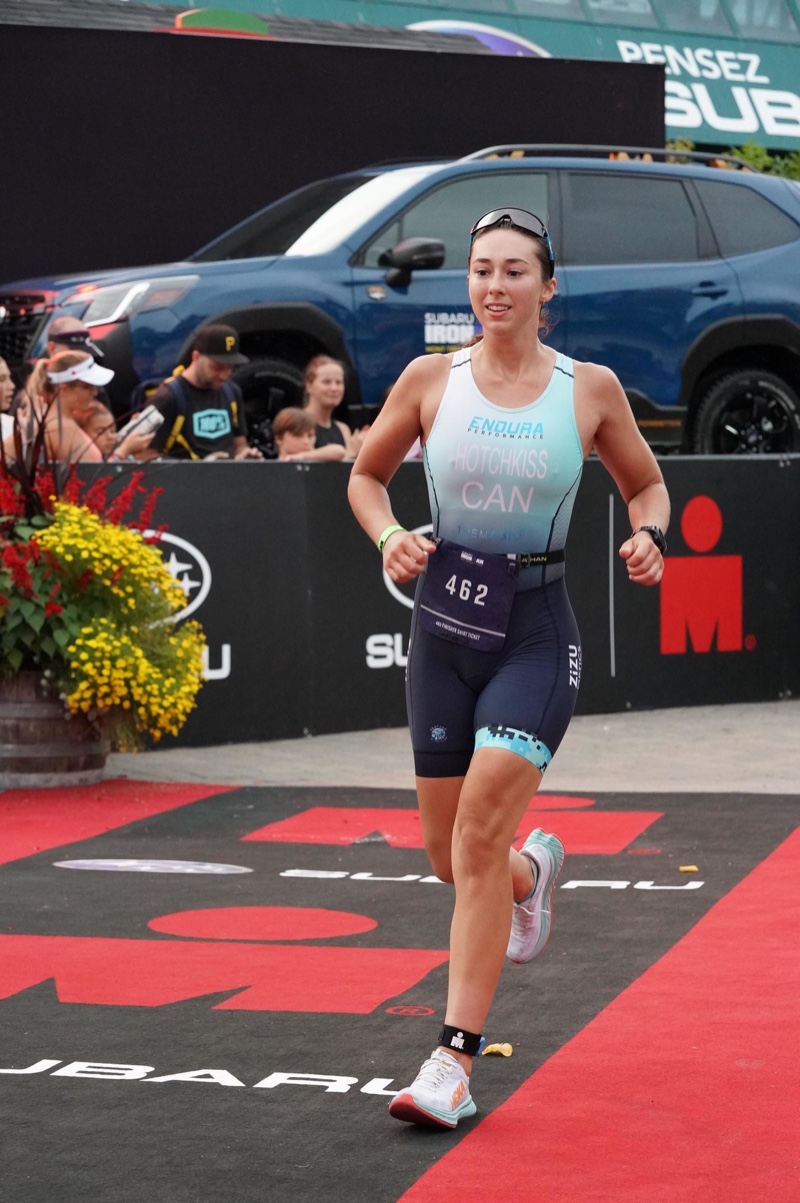
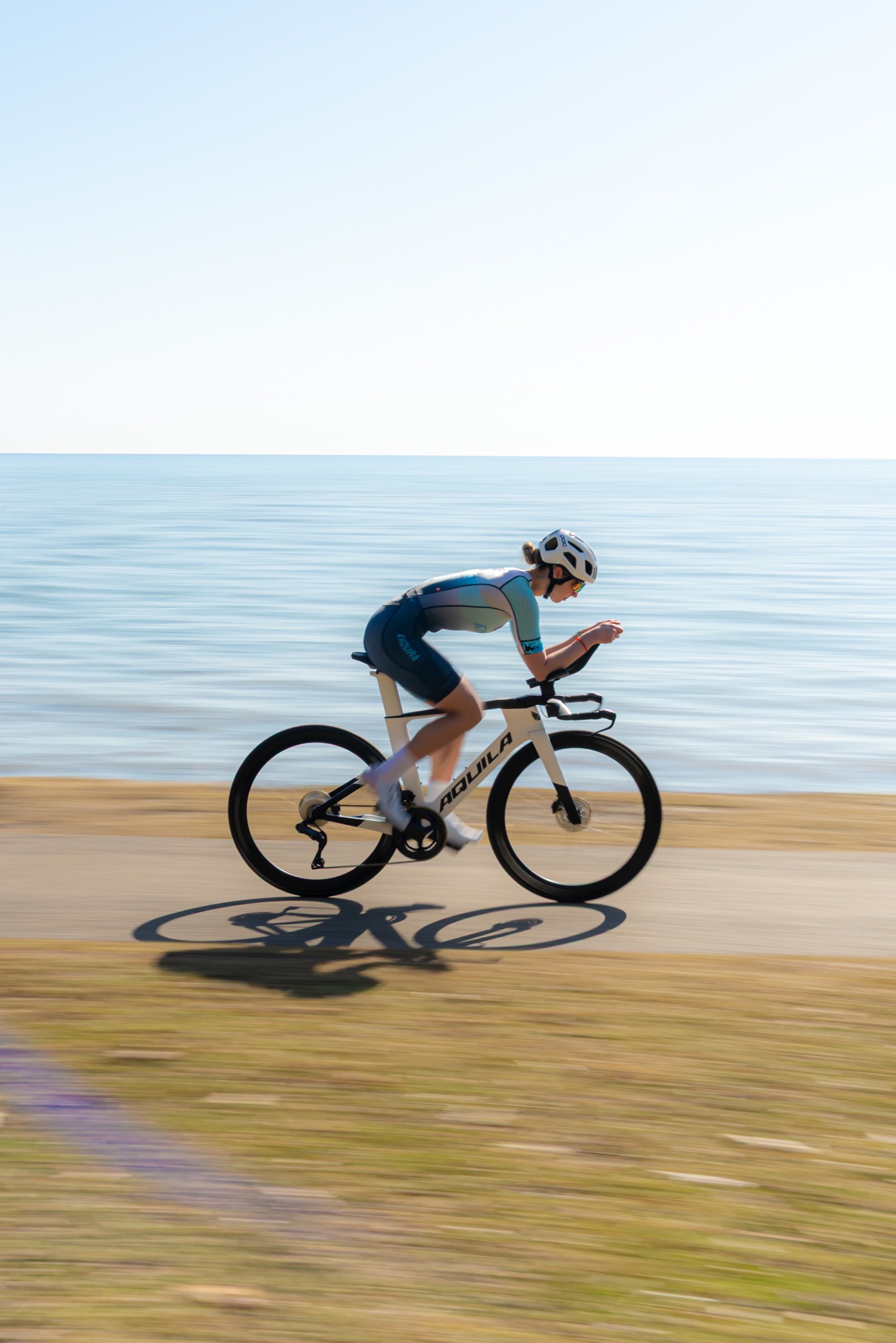
- A 70.3 is a 1.9 km swim, 90 km bike and 21.1 km run.
- Most age-groupers do well with 16–20 weeks of focused training on top of a basic base.
- Expect roughly 6–8 hours a week early on, building to 9–12 in the biggest weeks.
- Keep about 80% of your training easy. The long ride, the long run and the brick are the sessions that move you most.
- Practise your race fuelling on every long ride. Most athletes start around 60–90 g of carbohydrate per hour on the bike.
How long to train
If you can already swim continuously, ride for a couple of hours and run 30–40 minutes, a 16–20 week plan is enough for most people to finish a 70.3 strong. If you're starting from scratch, add 8–12 weeks of base training first, or do a sprint or Olympic triathlon as a stepping stone.
Working back from race day is the simplest way to plan: put the race in your calendar, count back 20 weeks, and that's your start date.
How many hours a week
There's no magic number, but most age-group athletes we coach land in this range:
- Base: 6–8 hours a week
- Build: 8–10 hours
- Peak weeks: 9–12 hours, with the long ride doing most of the heavy lifting
- Taper: volume drops 30–50%, intensity stays
More hours isn't automatically better. Consistent 8-hour weeks beat a 14-hour week followed by a week off sick. The best plan is the one that fits around your job and your family. That's how we build every 1:1 coaching plan.
The four phases
| Phase | Weeks | Focus |
|---|---|---|
| Base | 1–6 | Easy aerobic volume, swim technique, strength twice a week. Build the habit. |
| Build | 7–13 | Longer long ride and long run, tempo and threshold work, first bricks. |
| Race-specific | 14–18 | Race-pace efforts, open-water swims, full race-fuelling rehearsals. |
| Taper | 19–20 | Cut volume, keep some sharp efforts, sleep, eat, arrive fresh. |
Most coaches also build in a lighter recovery week every third or fourth week. That's when the fitness actually lands.
A sample build week
Here's what a typical week 10 might look like for an athlete with a full-time job, about 9 hours in total:
| Day | Session |
|---|---|
| Mon | Rest, or 30 min easy swim + mobility |
| Tue | Bike 60 min with 3 × 10 min at threshold · Strength 30 min |
| Wed | Swim 50 min (technique + 10 × 100 m steady) · Run 40 min easy |
| Thu | Run 50 min with 4 × 6 min at half-marathon effort |
| Fri | Swim 45 min · Strength 30 min |
| Sat | Long ride 2.5–3 h steady, practising race fuelling |
| Sun | Long run 75–90 min easy, or a brick: 75 min bike + 30 min run |
This is an example, not a prescription. Your plan should be built around your current fitness, injury history and schedule, which is why ours are written by a coach, not a template.
The key sessions
The long ride
The bike is the longest part of a 70.3, and how you ride decides how you run. Build towards 3–3.5 hours, mostly steady, with race-pace blocks in the final phase. It's also your fuelling laboratory.
The long run
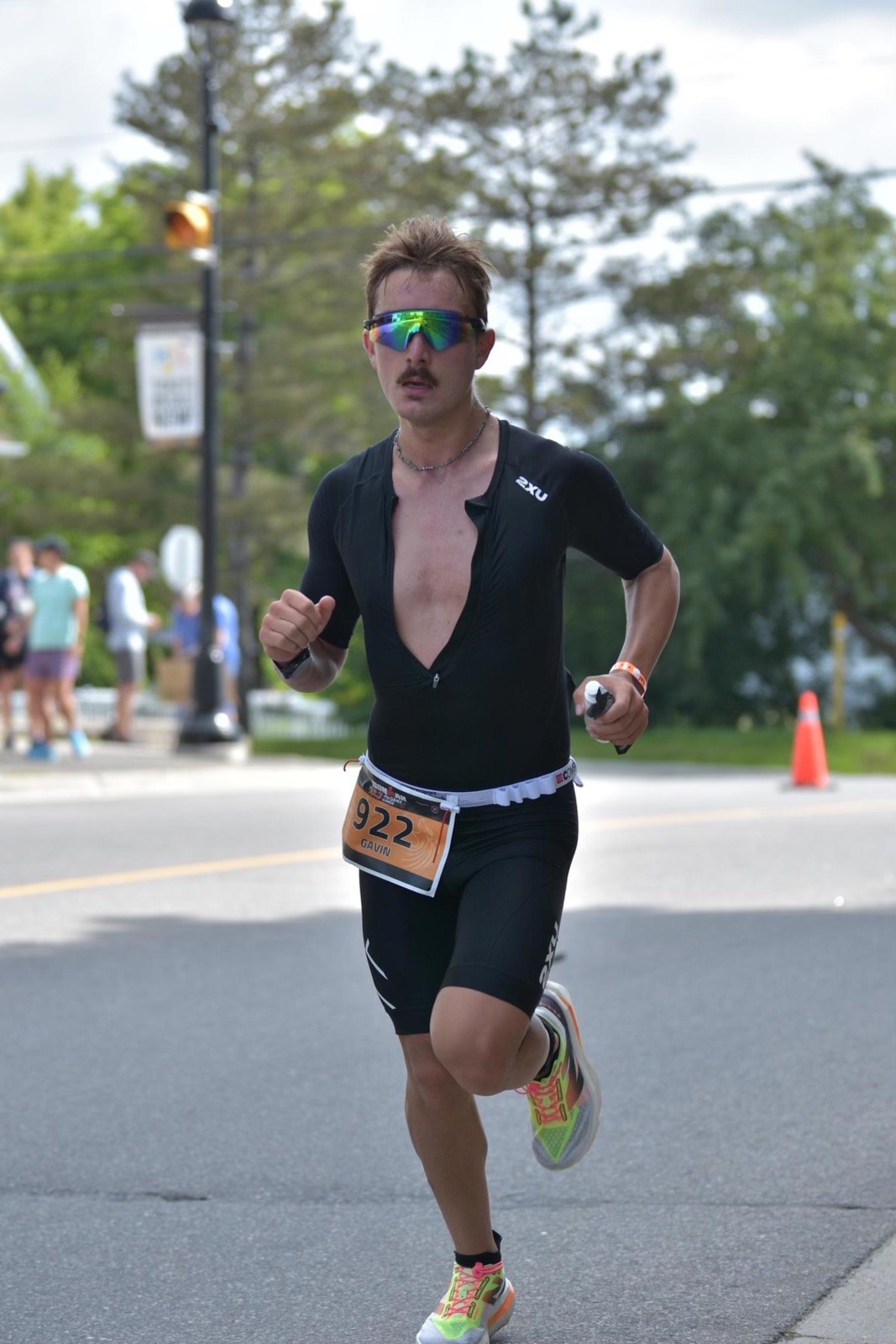
Build towards 90–120 minutes at easy pace. You don't need to run 21 km in training. Time on feet and staying healthy matter more than distance.
The brick
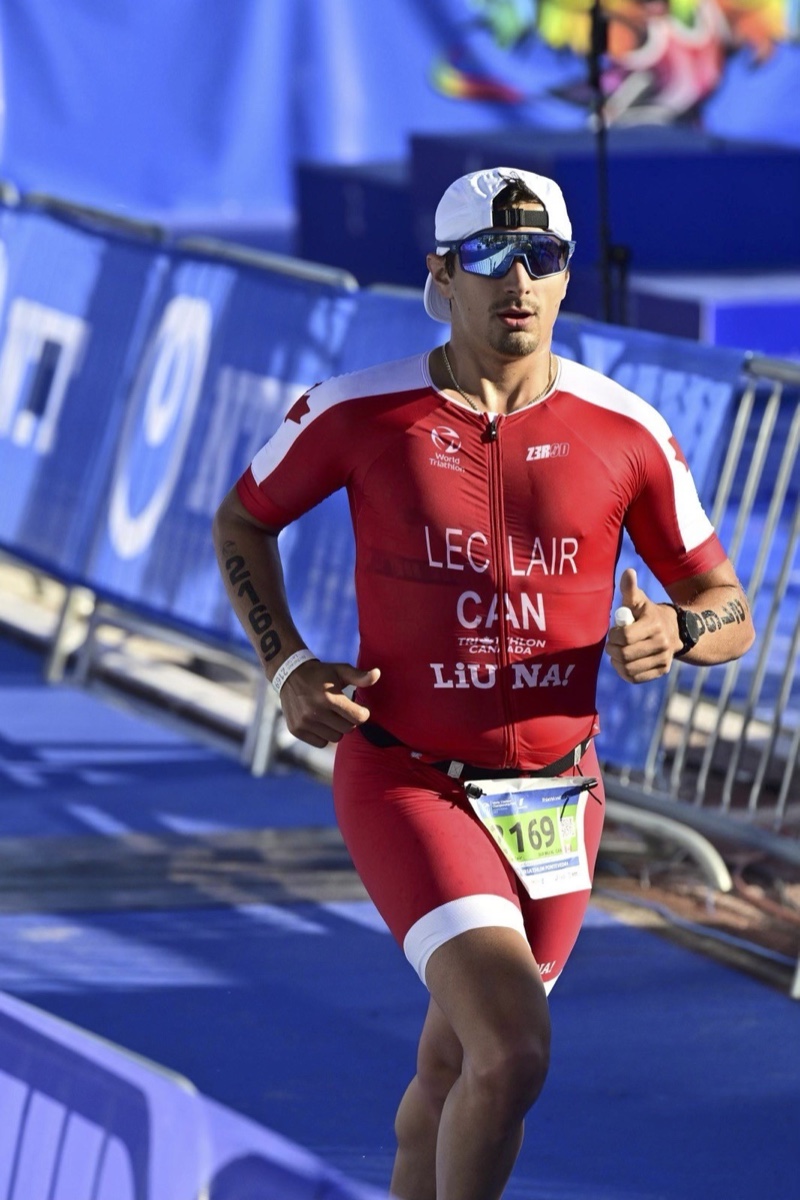
A bike straight into a run teaches your legs the awkward first kilometres off the bike. Start with a short 15–20 minute run after a ride and build from there.
Threshold swim sets
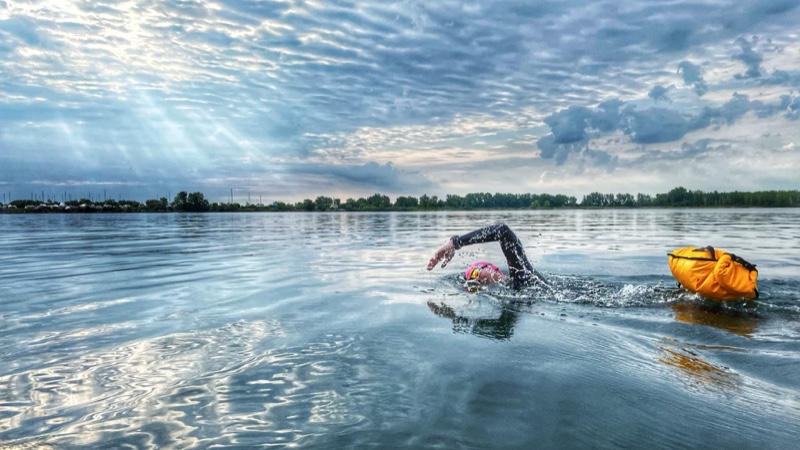
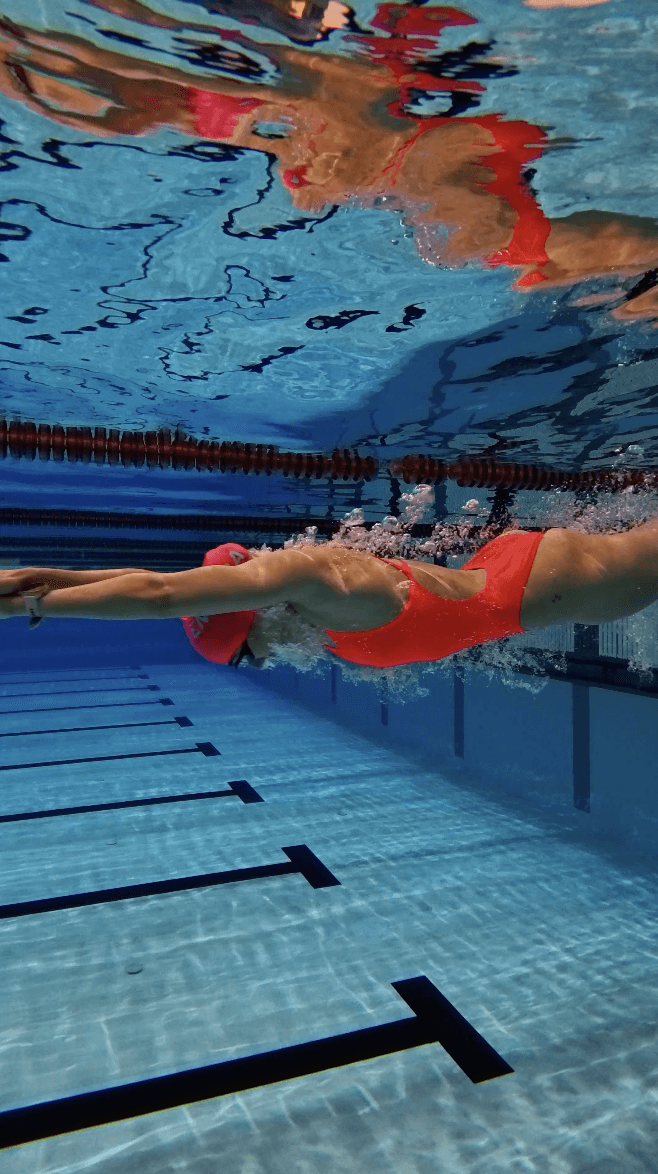
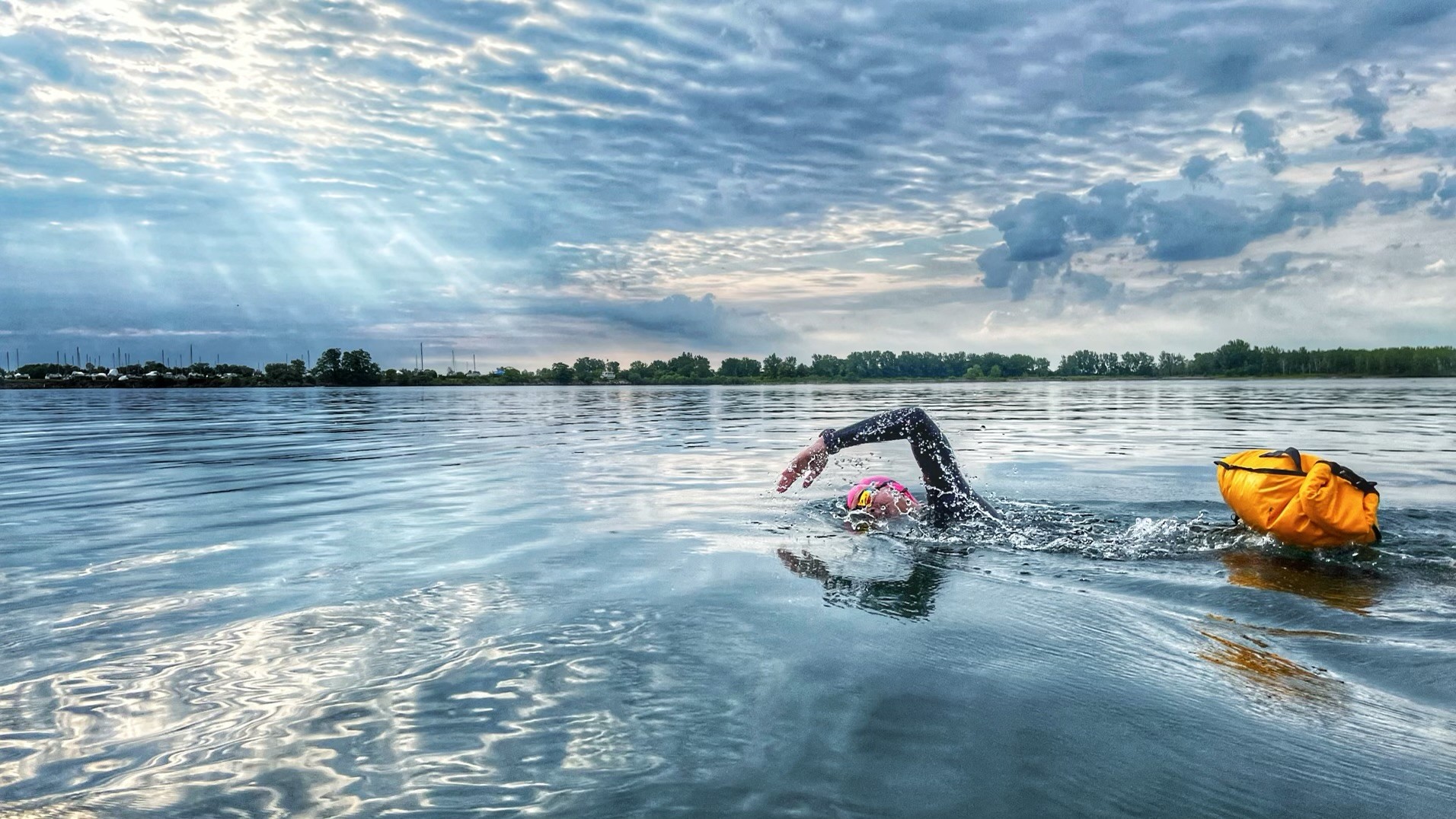
For most adult-onset swimmers, technique and consistency matter more than yardage. Three swims a week, including one open-water session as the race gets closer, is a great target. We run in-person swim sessions across the GTA if you want eyes on your stroke.
Fuelling in training
A lot of good 70.3 days are lost on nutrition, not fitness. Use every long ride to rehearse exactly what you'll take on race day.
- Most athletes start around 60–90 g of carbohydrate per hour on the bike, and trained guts can often handle more.
- Fluid and sodium needs vary a lot with heat and how salty you sweat, so test in conditions like race day.
- Nothing new on race day. If you didn't train with it, don't race with it.
Our free COOKED app reads your TrainingPeaks calendar and tells you what to eat and drink for every session your coach plans, so the fuelling practice happens automatically. For race day itself, see our Ironman fuelling guide.
Common mistakes
- Riding the easy days too hard. Grey-zone training leaves you tired for the sessions that count.
- Skipping strength. Two short sessions a week is cheap injury insurance.
- Never swimming in open water until race morning.
- Under-fuelling long sessions, then wondering why the long run fell apart.
- No recovery weeks. Fitness is built when you absorb the work.
Built around your life.
Tell us your race and your week. A coach builds your 70.3 plan in TrainingPeaks and adjusts it as your season develops. Month-to-month, no contract.
FAQ
How many weeks do I need to train for a 70.3?
Most age-group athletes need 16–20 weeks of focused training, assuming they can already swim continuously, ride for a couple of hours and run for 30–40 minutes. Beginners should add 8–12 weeks of base training first.
How many hours a week does half Ironman training take?
Typically 6–8 hours a week early on, building to around 9–12 hours in the biggest weeks, with a lighter recovery week every three to four weeks.
Can a 70.3 be my first triathlon?
It can, but most athletes enjoy it more after a sprint or Olympic race first. That teaches you transitions, open-water swimming and pacing with much less on the line.
Do I need a power meter or a triathlon bike?
No. A road bike you're comfortable on is fine for a first 70.3. A power meter or heart-rate monitor helps you pace, but plenty of athletes finish strong using perceived effort.
How much should I eat during a 70.3?
Most athletes start around 60–90 g of carbohydrate per hour on the bike, plus fluid and sodium matched to the conditions. Practise it in training and adjust to what your gut tolerates.